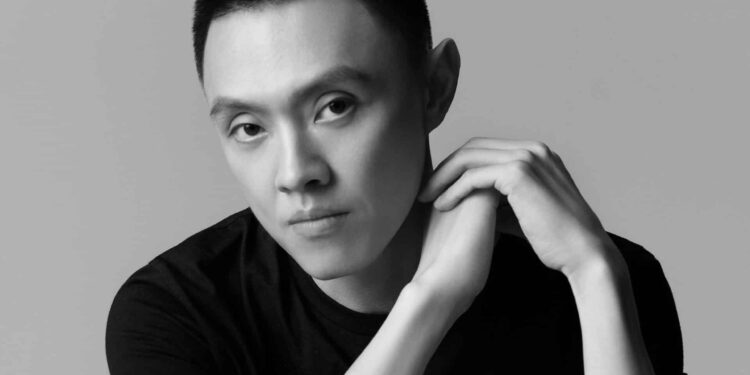



“Acid Techno Priestess” Marie Vaunt swung by to chat about her Japanese-American roots, the cultural influences that shaped her music, and the future of acid techno.
Japanese-American DJ and producer Marie Vaunt embodies a rare cross-cultural vision in her techno productions. Her music feels like the future reimagined through the lens of the past. Dubbed the “Acid Techno Priestess,” she thrives in the space between tradition and futurism, integrating ancient Japanese instruments like the koto and shamisen into her modern techno framework. The result is a distinctive industrial soundscape that feels novel and timeless. Marie approaches her productions with intention, ensuring that she balances intensity with ritualistic depth so that each Eastern and Western element retains its soul and history.
Now based in Los Angeles, Marie Vaunt has carved out her own unique lane. Her latest release, “Let The Bass Kick,” out on Arcane Music, is a full-throttle statement piece. Built on rumbling basslines that collide with driving percussion, the track is anchored by a commanding female voice that reflects her bold, unapologetic energy. Layered with Japanese-inspired textures, the song unfolds with explosive momentum and a hypnotic pull that elevates it well beyond the dancefloor.
Currently on a North American tour with stops in Las Vegas, Atlanta, North Carolina, and Toronto, Marie is also gearing up for international appearances at major festivals, including Tomorrowland Winter, Beyond Wonderland SoCal, S2O Bangkok, and S2O Australia. As her profile continues to rise, she is at the forefront of an acid techno revival, determined to bring fresh energy into a once-forgotten genre. We caught up with the powerhouse artist to discuss her Japanese heritage, the cultural influences in her production, and her journey as an artist.
Stream Marie Vaunt – Let The Bass Kick on Spotify:
Hey Marie, thank you so much for taking the time to chat with us today! You’ve been making such an incredible impact on the techno scene; it’s truly inspiring. To start, can you tell us a bit about where you grew up and what music surrounded you at home first?
Thank you so much for the kind words! It’s been an amazing journey so far. I have a bit of a nomadic background since I was born in Seattle, but spent my most formative years growing up in Japan before moving back to the States as a teenager. My very first musical memory is actually dancing to Prince as a toddler, so I think that appreciation for a timeless groove was baked into me from the very start. Growing up in Japan during the golden age of J-Pop also gave me a real love for catchy, powerful melodies and high-energy production that definitely still influences me today.
You’re known as the “Acid Techno Priestess,” and your sound has captivated fans worldwide. How did you come to create this signature sound for yourself? What originally drew you to acid and its raw, hypnotic energy, and how do your personal style, cultural influences, and background intersect with the acid techno sound?
I love that title! The sound really came about when I decided to stop playing it safe and started embracing the raw energy of the 303. I was originally drawn to acid because it feels so alive and unpredictable. It’s a sound that you don’t just hear, you actually feel it vibrating in your teeth. My personal style is very much a reflection of my background. I take the discipline and aesthetic focus from my Japanese heritage and mix it with the grit and attitude of the US underground. To me, acid is the perfect bridge between those worlds because it can be incredibly precise and technical but also totally raw and rebellious.
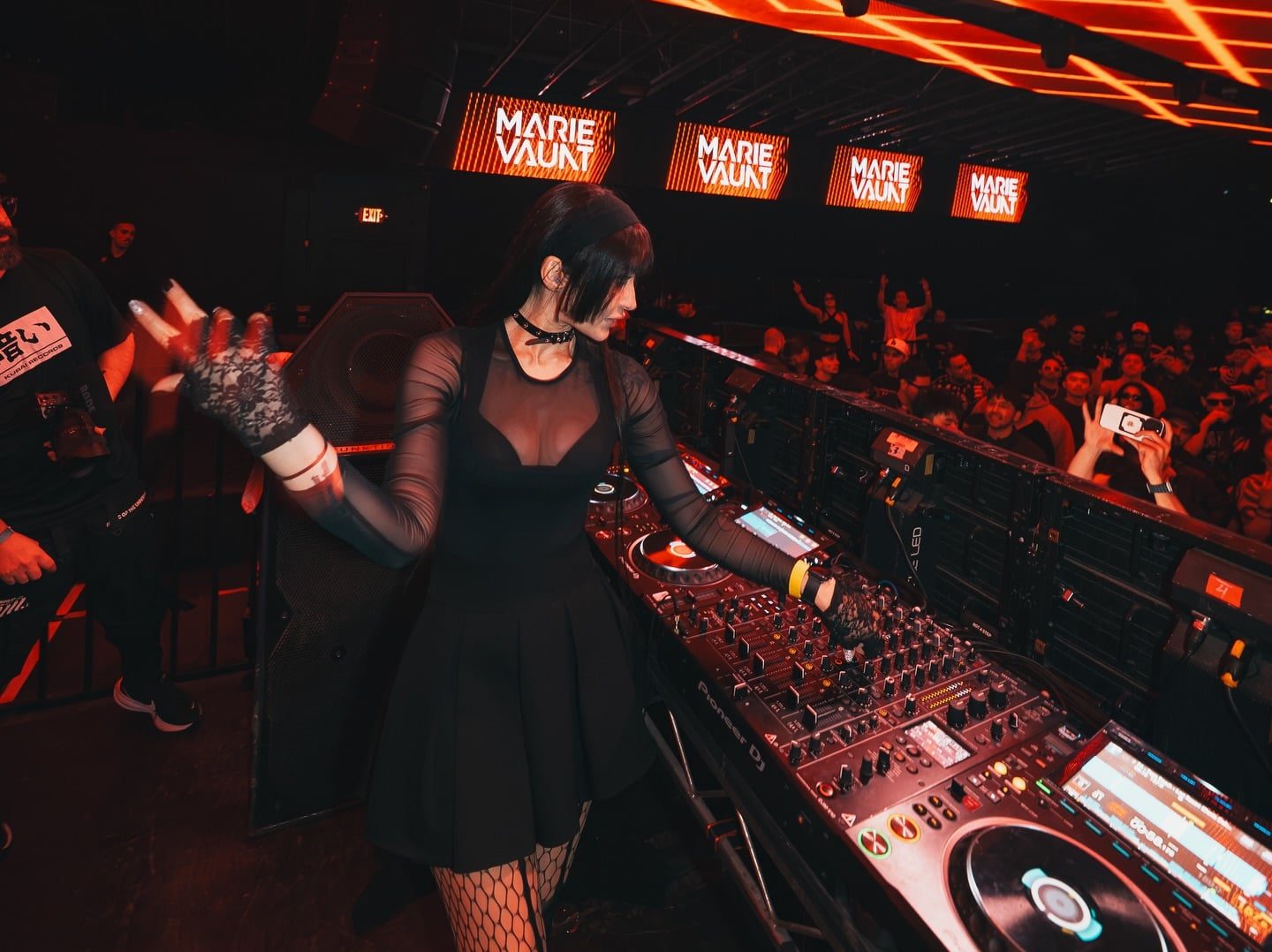
As a Japanese American DJ and producer, your Japanese heritage is central to your artistry. What excites you most about continuing to explore Japanese elements like the Shamisen, Koto, percussive instruments, and vocals within techno? How do you make sure their inclusion feels both respectful and authentic?
What excites me most is the contrast. There is something so powerful about taking an ancient instrument like a Koto or a Shamisen and placing it in a cold, futuristic techno soundscape. It creates this almost cyberpunk feeling that I just love. To make sure it stays respectful, I focus on the soul and authenticity of the instrument rather than just using it as a gimmick. I want these elements to be part of the storytelling of the track. It’s a delicate balance because those instruments have so much history, so I try to treat them with the same precision and respect that a traditional musician would, even if I’m pairing them with a distorted kick drum.
2024 was a milestone year for you, being one of Beatport’s highest-selling female techno artists. How did that recognition change how you saw yourself as an artist, or influence your approach to music?
That recognition was such a huge honor, but more than anything, it just gave me the confidence to trust my own vision. When you see that your sound is actually resonating with people on that scale, it encourages you to push the boundaries even further. It didn’t really change my music-making approach, but it did make me realize that there is a massive audience out there that is hungry for this specific brand of acid. It’s made me want to work even harder to keep that flame alive and keep evolving.
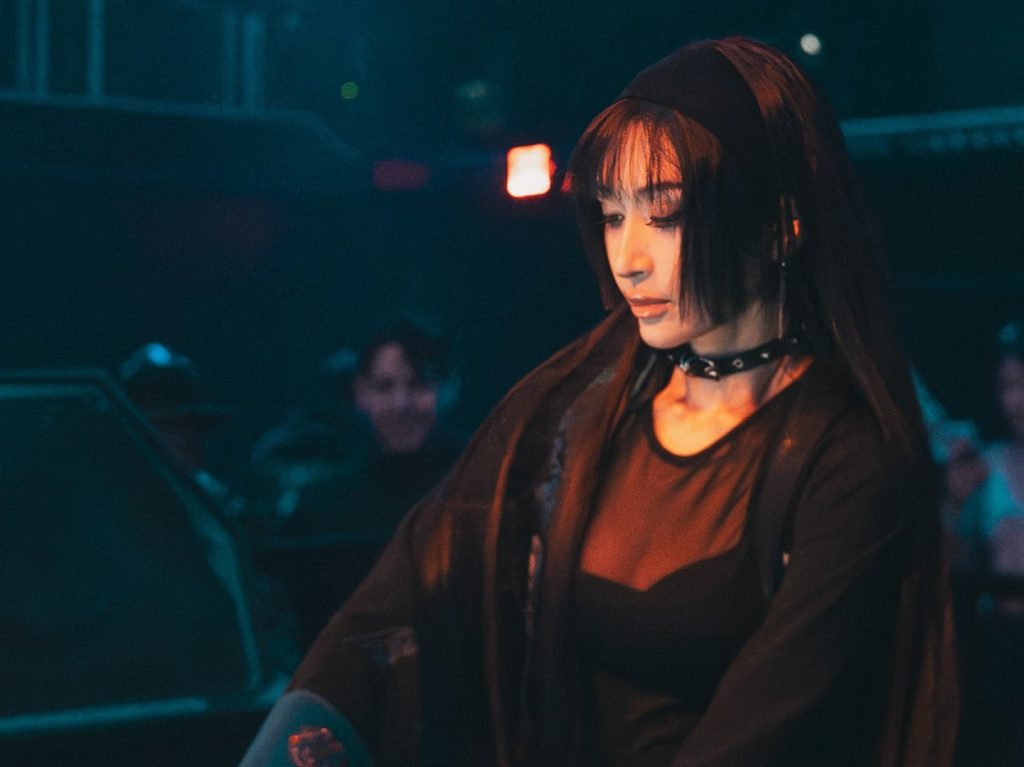
Your new single, “Let The Bass Kick,” the first from your upcoming EP on Eli Brown’s Arcane, drops on January 30. The track features a vigorous female vocal layered over a stomping beat and rumbling bass. Did you experiment with any new techniques or instruments on this single, or on the EP as a whole, compared to your past releases?
For this EP, I really wanted to experiment with more intricate arrangements and vocals, more akin to songwriting rather than just making flat-out techno tracks. For “Let the Bass Kick” in particular, the call and response between the vocal and acid line definitely makes it stand out and incites an organic response where you just feel compelled to sing along while raving.
In terms of instruments, I relied on my trusty TD-3 with the MXR Distortion+ pedal, as well as a lot of Serum 2. I think this EP as a whole explores a more energy-focused sound while keeping that raw, acid-driven soul that I’m known for, and I’m really excited to see how people react to it
You’re known for pushing the acid techno revival, approaching the genre in a modern and varied way. How do you see yourself shaping the genre, and do you hope to influence the next generation of producers? From a genre perspective, what excites you most about acid techno in 2026 and beyond?
I hope I’m showing people that acid isn’t just a retro sound from the ’90s. It’s a living, breathing element that can be incredibly modern and sophisticated. If I can inspire even one person to pick up a 303 and start making noise, then I’ve done my job!
Looking toward 2026 and beyond, what excites me most is how borderless the sound is becoming. We’re seeing acid mixed with everything from trance to industrial to traditional world music, and even pop music. It’s a timeless sound that is having a massive moment right now, and I’m just excited to keep pushing it into new, more exciting territories.
Follow Marie Vaunt:
Website | Facebook | X | Instagram | SoundCloud