



Kenyan artist Sofiya Nzau swings by to chat about her musical journey, her deep connection to her heritage, and how she hopes to inspire others to embrace their roots.
The growing popularity of Afrohouse shows how effortlessly music transcends borders. Kenyan artist Sofiya Nzau is at the forefront of this movement, carrying the flame forward and translating the spirit of Africa into sounds that resonate worldwide. Her music is shaped by the rhythms of everyday life that she grew up with. From the pounding of maize, potatoes, and greens to the preparation of signature dishes like ‘mukimo’ (a traditional Kenyan meal), she transforms these ordinary moments into something profound in her music.
“Growing up in Kenya absolutely built the foundation of who I am as an artist. It teaches you that music isn’t just for listening; it’s for feeling, for community, for storytelling,” Sofiya Nzau said. “That sensibility is what I try to carry onto any stage. My sound is essentially my life soundtrack filtered through my emotions and experiences, so Kenya isn’t just an influence on my music; it’s the core.”
Building on this foundation, Sofiya fused her Kikuyu heritage with modern electronic music, gaining global recognition for her vocals on Zerb’s viral hit “Mwaki.” She became the first East African artist to surpass 10 million monthly Spotify listeners and has since gained worldwide attention for the way she channels cross-cultural energy in her music.
More recently, she teamed up with Madism on “Hutia,” a vibrant track that infuses Afrohouse rhythms with a sample of Robert Miles’ iconic classic “Children.” With heartfelt piano riffs and infectious club beats, the track became a dream-house favorite, reaching #1 in multiple countries. Soifya shared, “I have to be honest, I hadn’t heard the original ‘Children’ before that moment. But when I did, I was instantly mesmerized. That melody is heavenly. It feels nostalgic, hopeful, and universal all at once. It moved me so deeply that inspiration flowed immediately.”
I knew I wanted to root it in my heritage. I approached the vocals by writing in Kikuyu, drawing from the feeling of traditional storytelling, almost like a meditation or a blessing. The idea was to have this conversation between the iconic European electronic melody and the ancient, soulful sounds of Kenya. Madism was an incredible partner; he gave the fusion so much respect and space to breathe. It wasn’t about forcing a blend, but about letting two powerful musical spirits meet and dance.
Sofiya Nzau on “Hutia”
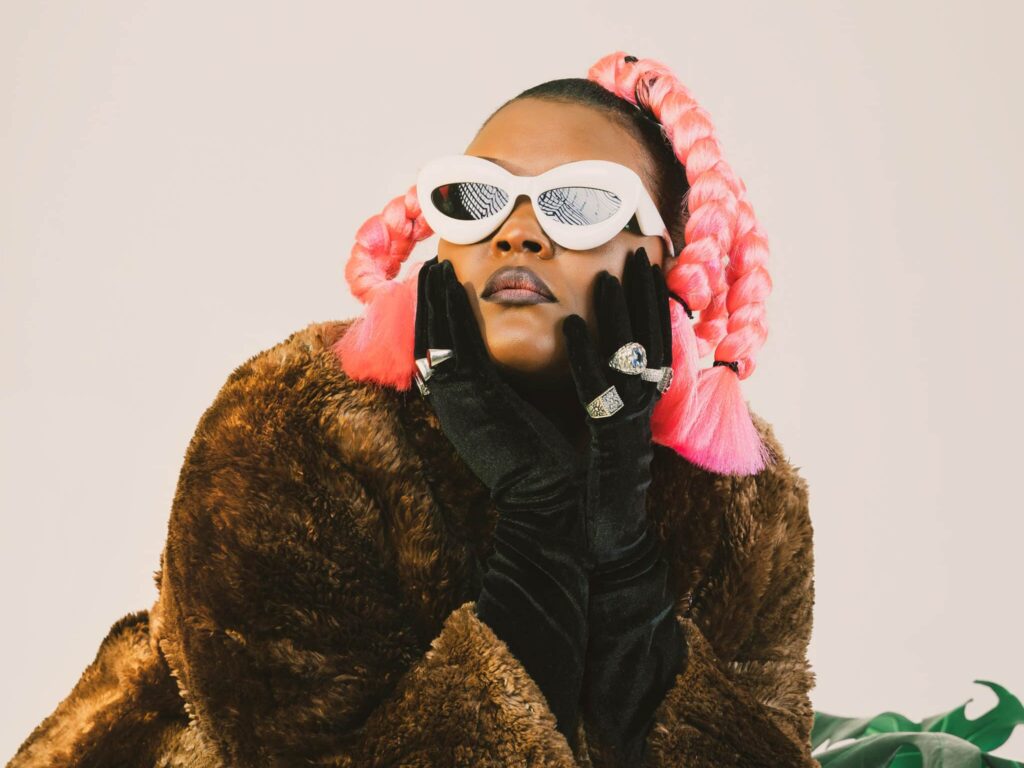
For Sofiya, Afrohouse is a bridge that connects people across borders. She aims to balance tradition and modernity, giving listeners around the world a window into her heritage. She said, “Traditional Kikuyu musicians, especially women who sang at events, also moved me deeply; the strength, the pain, the joy in their voices felt like direct truth. That raw, emotional authenticity is what I’ve always wanted to capture in my own work.”
From a young age, Sofiya drew inspiration from artists like Joseph Kamaru, John De Mathew, Eric Wainaina, Harry Kimani, and Kanji Mbugua. She was captivated by the way they convey emotional narratives through their music. Their genuine storytelling guided her own artistic vision, helping her to create music that is heartfelt and deeply resonant. “We are never shy as a people to fully express ourselves throughout any season that comes our way, and music isn’t a tool to simply express ourselves; it’s our way of life. That is what inspires me about both local artists and how, as people, we approach music,” she shared.
I believe Afrohouse is such a powerful platform because it’s built on rhythm and feeling, two things African music embodies inherently. It provides a global language that can carry our specific stories, our unique percussion like the mûgithi rhythms, our vocal textures and calls, to ears all over the world. It doesn’t dilute our sound; it amplifies it on a massive, danceable frequency. The bounce and our melodic inflection, that “cry” in the voice that conveys deep emotion, translate incredibly well, adding a layer of human touch to the electronic foundation.
Sofiya Nzau
Beyond her music, Sofiya Nzau is a passionate champion of emerging African talents. She has highlighted several up-and-coming artists that the world should be watching. “In Kenya, keep your eyes and ears on producers and DJs like Coco Em, Tresor, Bien, Nomcebo Zikode, and many others. I can’t name them all,” she stated. “Globally, the movement is so vibrant, but I’m always drawn back to the roots. Artists across Africa are pushing the sound in amazing ways.”
This year marked a breakthrough for Sofiya as she became the first Kenyan artist to perform at Tomorrowland, a milestone that underscores her rising career and the global ascent of Afrohouse. She delivered an outstanding performance on the mainstage alongside Steve Aoki, captivating audiences worldwide. “Performing at Tomorrowland with Steve Aoki was… indescribable,” she said, reflecting on the experience. “Yes, it was surreal, but you’ve hit on something important there. The sense of responsibility was immense, but in the best way. I didn’t feel pressure; I felt purpose.”
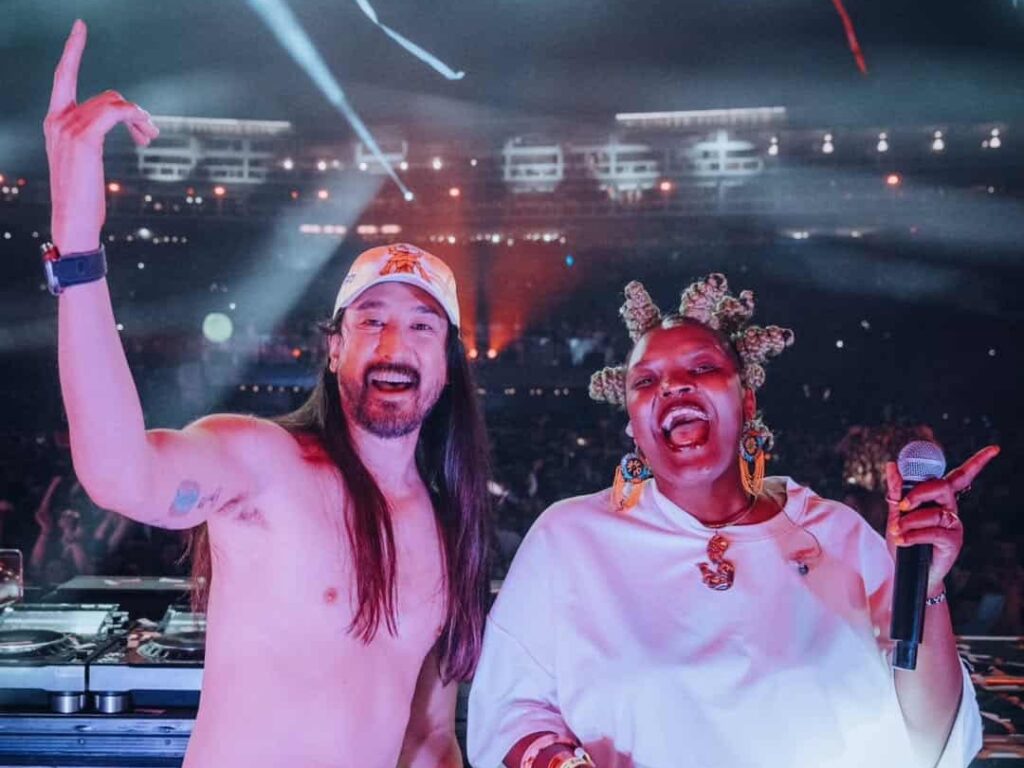
I wasn’t just Sofiya on that stage; I was carrying the spirit of every Kenyan artist dreaming big. I wanted the world to feel the energy, the color, and the soul of home. It was a powerful moment of gratitude and pride.”
Sofiya Nzau on becoming the first Kenyan aritst to perform at Tomorrowland
As a leading voice in Kenyan music, Sofiya Nzau recognizes the influence of her platform. She hopes her journey encourages listeners to embrace their identity confidently. “If my journey can influence younger artists in any way, I hope it simply gives them permission. Permission to sing in their mother tongue, to sample their grandmother’s lullaby, to wear their cultural identity not as a costume but as their core artistic skin,” she said.
At its heart, Sofiya’s musical journey is about connection and responsibility. Success on the global stage is not just about crossing borders; it’s about carrying a piece of home proudly and sharing it with the world. Through her music, she continues to inspire others to honor their roots while paving the way for the next generation of artists.
Our roots are our greatest creative technology. They hold frequencies of history, pain, joy, and resilience that the whole world needs to hear. I just want to keep holding that door open.
Sofiya Nzau
Listen to “Hutia” on Spotify or your preferred platform, and follow Sofiya Nzau on social media to stay up to date on her upcoming projects.
Follow Sofiya Nzau:
Website | Facebook | X | Instagram | SoundCloud | YouTube | TikTok