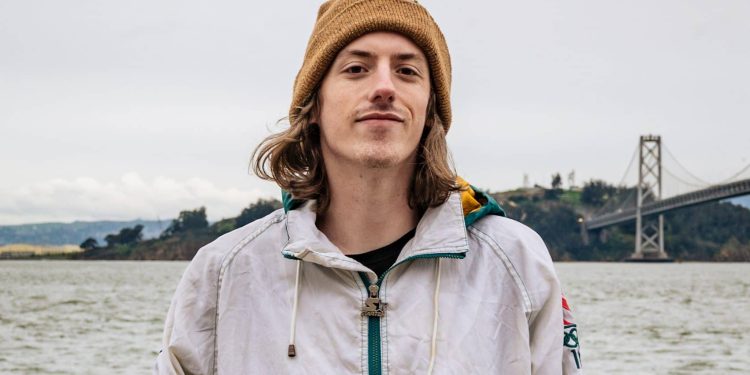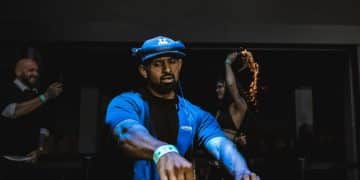


Chris Giuliano swung by to chat about his evolution from trance to melodic techno, his recent performance at Dreamstate SoCal, and what’s in store for fans in 2026.
Los Angeles continues to reign supreme in the scene as one of the hotbeds for talented artists rising to the top, and Chris Giuliano has firmly cemented himself as one you should be paying attention to. This DJ, producer, and sound engineer grew up in the City of Angels, which exposed him to a variety of genres, bolstering his dynamic production style. Trance and progressive were the two genres that called his name the most, and his productions in those realms have drawn attention from major labels like Anjunabeats and Armada Music.
The past few years have seen Chris Giuliano deliver some fantastic releases like “Facing The Edge” and “Running With The Wind” with Natalie Major, “Off The Wall,” and more. In 2025, he shook things up as he began his sonic evolution from trance to melodic techno, gracing everyone with “out alive” the same weekend he took the stage on his home turf at Dreamstate SoCal.
Now, in the new year, Chris Giuliano is gearing up to continue his exploration of the melodic techno and progressive house realm. We caught up with this multi-faceted artist to chat about his beginnings, the state of the scene in Los Angeles, and where he’s headed next. Listen to his exclusive guest mix and read on for the full conversation.
Stream EDMID Guest Mix 489 || Chris Giuliano on SoundCloud:
Hi Chris, thanks so much for taking the time to chat with us today. Kicking this one off with a dive into your roots as an artist. Who are some of the earliest electronic acts you gravitated to in the scene, and what led you to fall in love with the sounds of trance and progressive house?
My first dance music show was Tiësto back in 2007, which was pretty epic. Seeing him again at Dreamstate this year was nostalgic and a bit surreal. Around that time in high school, my friends and I also started going to events we used to call “massives,” that’s where the inspiration really took hold.
I fell in love with that trance sound, classic deadmau5 and Kaskade proggy stuff, as well as dubstep and drum n bass; shoutout to Caspa & Rusko – Fabriclive 37. All that holistically influences my productions and sound design today. A mix of melody, tension, and heavier sound design still shows up in my productions.
Over the years, you have been warmly welcomed by Anjunabeats, Armada, and other important labels in the scene. What has it meant to you to receive such immense support on your journey so far?
I’m so grateful for all the love that those labels and especially their communities have shown me. It means the world honestly, and hearing from people like that really keeps me going, man.
Having my music played by people I’ve looked up to and been influenced by for years is still a treat. It’s a silent (or musically loud) meaningful confirmation that the songwriting is connecting and that I’m on the right path, which is never something I take for granted.
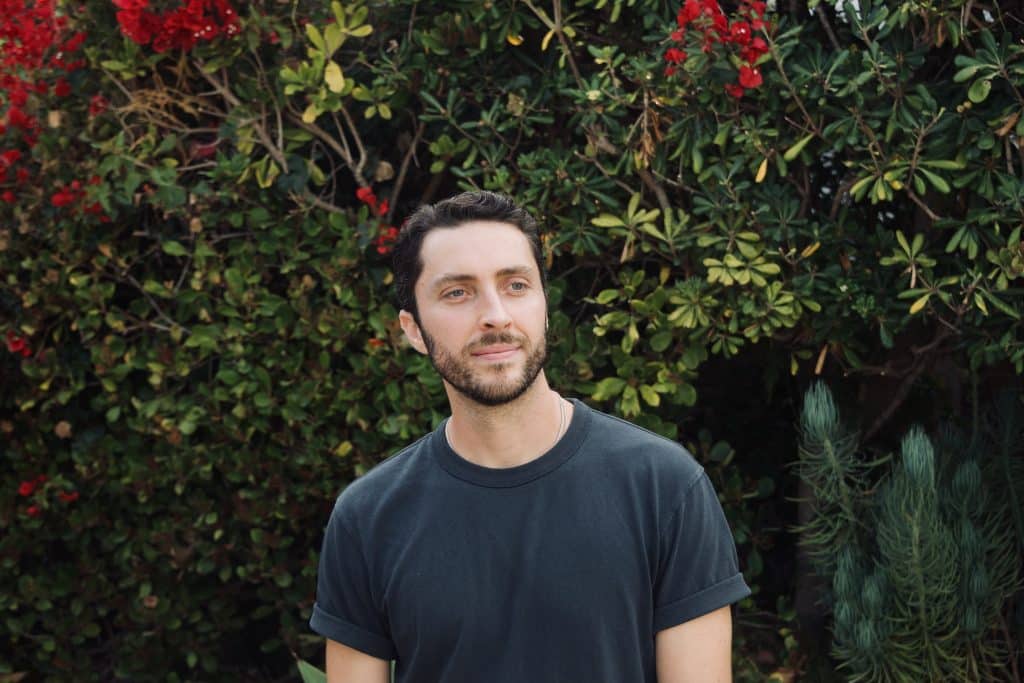
Your sound has drifted from trance to one that leans a bit more toward progressive house and melodic techno. How have you kept your signature style present in your releases as you’ve explored other sonic realms?
‘Drifted’ is a good way to put it, and I’d further explain it as a natural evolution. My music has always been slightly genre-agnostic, and the core things I care about haven’t changed much. Songwriting, melody, tension, bass, and compelling sound design have always been central to how I write, whether that’s in a more traditionally trance framework or something more techy and progressive.
What remains still is my distinct character and sound design; hopefully, there’s a through-line where someone can hear a track and recognize it as mine
As an artist who has championed trance for years, what are your thoughts on the genre in the current state of the scene?
Like everything in arts and culture, I feel that the genre is changing and evolving. Some subgenres naturally shrink while others grow, evolve, or find their way to a comeback. That cycle feels pretty natural to me.
Even when it’s not front and center, trance still has a strong influence on a lot of what’s happening now, especially in more melodic and progressive areas of the scene.
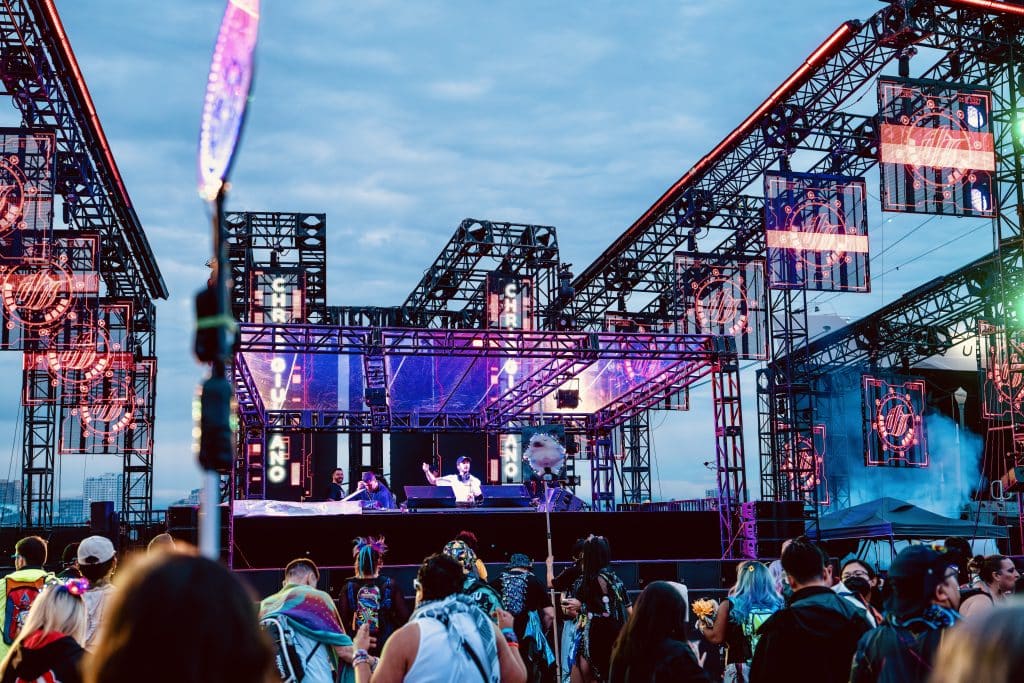
Last year, you took the stage at Dreamstate SoCal for a bit of a full-circle moment in your hometown. Can you share what that experience was like and the emotions you felt?
Playing Dreamstate SoCal in my hometown really did feel full-circle. The event was super special and had that nostalgic feel throughout; the crowd and the vibe were all-time. To be on the other side of that experience years later, playing my music, was both humbling and grounding.
There was definitely a mix of gratitude and perspective that came with it. It reminded me why I fell in love with this stuff in the first place and why I still care so much about the fine-details of my sound. It wasn’t about a single moment as much as quietly appreciating the path that got me there. It motivated me to keep pushing even in this challenging landscape.
As an artist who was born and raised in Los Angeles, what do you feel makes the scene there stick out compared to others you’ve experienced?
Growing up in Los Angeles, the scene always felt incredibly diverse, both culturally and musically; more so than a lotta other places out there. You’re immersed in so many different styles, scenes, and creative worlds at once, and that naturally shapes how you think about music. There’s less pressure to fit neatly into one lane, which I think encourages my experimentation and authenticity.
What also stands out is the crossover from underground culture to larger-scale production. You can be influenced by dark warehouse energy one weekend and a massive, high-production event the next. That has definitely informed how I approach my own music and performances.
What has been the biggest struggle you’ve faced in your career so far? Have you been able to overcome it, or is it still a work in progress?
Well, firstly, I’m not great at social media! Which, in this day and age, is super important to scaling your audience and brand. So that’s something I’m still working on.
Also, evolving my sound while finding the right home for the music has been another challenge. Tastes shift. Scenes change, and you’re constantly reassessing where your work fits. That part never really feels solved, but I’ve learned to see it as part of the process rather than an obstacle. Gotta just keep moving forward.
We’re still in the early days of 2026, so to close this out, what are some of the goals you hope to achieve?
Hoping the best is yet to come. Feeling like I’m honing in on my character and trusting myself stylistically. I’m learning what goes well in a set and what goes into a well-written song for radio. I’m sitting on a grip of music ready to see the light of day and find their homes.
So I’m hoping for a run of releases that dig deeper into the sounds I’ve been exploring, with a development in live direction that leans more into my usual high-energy, exciting sets. The goal is simple, but not easy; I want to take the things that have worked for me, evolve and dial them in, and give people something they can remember, enjoy, and appreciate.